Wildlife Around British Casino Towns: From Newmarket to Brighton
We often think of casino towns as purely urban, but we’re discovering they’re often gateways to some of the UK’s most fascinating ecological stories. Beyond the lights and leisure, these destinations are frequently nestled within or adjacent to unique habitats, from ancient chalk downlands to rugged marine reserves. This exploration reveals a surprising synergy where the future of sustainable tourism hinges on the hospitality sector’s commitment to its natural surroundings. Join us as we uncover the wild side of Britain’s casino destinations, highlighting the conservation efforts that allow both nature and responsible entertainment to thrive.
Newmarket: Where Thoroughbreds Meet Wild Meadows
Renowned as the global headquarters of horse racing, Newmarket’s identity is steeped in equine excellence. Yet, just beyond the prestigious training grounds and the town’s casino lies a landscape of equal ecological importance: the historic Newmarket Heath. This vast expanse is not just a gallops for champions but a protected fragment of one of Britain’s rarest habitats—chalk grassland, a biodiversity hotspot teeming with specialised flora and fauna.
The Ecology of the Heath: Beyond the Racecourse
Newmarket Heath is a surviving example of a habitat that has largely vanished from the UK. Its thin, nutrient-poor soil supports a dazzling array of wildflowers, including several species of orchid, which in turn sustain rare insects. A key species on these protected chalk grasslands is the Chalkhill Blue butterfly, a dazzling azure-winged insect whose lifecycle is intricately tied to the presence of horseshoe vetch. The careful management of the heath, balancing its dual role for racehorses and wildlife, is a masterclass in shared landscape use.
The Casino’s Green Bet: Local Sustainability Efforts
Recognising its setting, the local hospitality sector, including Newmarket’s casino venues, is increasingly aligning with this green heritage. Efforts often focus on reducing the environmental hoofprint, so to speak, through energy efficiency, waste reduction programmes, and sourcing from local suppliers. This not only minimises operational impact on the sensitive heathland but also supports the local economy, creating a circular model of sustainability that benefits both the town and its treasured natural backdrop.
Brighton’s Coastline: From Pier to Marine Reserve
The vibrant energy of Brighton, with its iconic Palace Pier and bustling seafront, defines the classic British seaside experience. However, a short stroll east reveals a different side to this coastal city. The King George V Memorial Walk and the engineered breakwaters of Brighton Marina create unique micro-habitats, while the city’s boundaries brush against important marine environments, demonstrating a stark and fascinating contrast between urban play and coastal ecology.
Urban Otters and Pier-Dwelling Wildlife
Brighton’s wildlife narratives are full of surprises. The city’s network of urban streams and the marina area have become a haven for an unexpected resident: the otter. Brighton’s urban otter population is monitored by the Sussex Wildlife Trust, a testament to the resilience of nature and improving water quality. Meanwhile, the iconic pier structures, while artificial, provide a substrate for mussels, barnacles, and seaweeds, forming a complex ecosystem that supports fish and the seabirds that prey on them.
Sustainable Stakes: Brighton’s Eco-Conscious Resorts
In a city known for its progressive values, the demand for eco-friendly leisure is strong. Brighton’s resorts and entertainment venues are responding by integrating sustainable practices. This can range from eliminating single-use plastics and installing smart energy systems to contributing to local marine conservation charities. For the conscious visitor, it means the option to enjoy the city’s famous amenities while supporting businesses that are invested in protecting the very coastline that draws people to Brighton.
The Scottish Highlands: Inverness and Responsible Retreats
Inverness, often called the capital of the Highlands, serves as a gateway to the awe-inspiring wilderness of the Cairngorms National Park. Here, casino tourism takes on a different character—one of retreat and immersion in nature. The presence of leisure facilities in such a fragile, world-class ecosystem carries a profound responsibility, setting a high bar for environmental stewardship that a number of local resorts are striving to meet.
Casino Tourism in a Fragile Ecosystem
The Cairngorms are home to some of the UK’s most iconic and threatened species, from the playful red squirrel to the majestic golden eagle. The impact of tourism, including travel, waste, and habitat disturbance, must be meticulously managed. Responsible venues in the area therefore position themselves not as standalone attractions, but as considerate portals to the landscape, educating guests on low-impact behaviour and often partnering directly with conservation bodies.
How Highland Resorts Fund Conservation
Leading the way in this ethical approach are resorts that have embedded sustainability into their core operations. A prime example is the award-winning MacDonald Aviemore Resort, which holds a Green Tourism Gold Award. Such establishments often contribute to conservation through direct funding, habitat management on their own land, and ‘green levies’ that channel a portion of guest spending into local environmental projects. This creates a direct, positive link between tourism revenue and the preservation of the Highlands’ natural heritage.
Blackpool’s Urban Wildlife and Green Initiatives
Blackpool is synonymous with dazzling illuminations, grand entertainment, and a bustling tourist economy. Yet, on its doorstep lies one of the UK’s most important wetlands for birdlife. The Fylde Coast and the nearby Ribble Estuary provide a vital lifeline for thousands of migratory and resident birds, creating a compelling juxtaposition of urban spectacle and natural wonder that is increasingly guiding the town’s development strategies.
Seabirds on the Sparkling Coast
The dynamic coastline of Blackpool supports a variety of seabirds, from raucous colonies of kittiwakes nesting on sea walls to sanderlings darting along the water’s edge. However, the true ecological gem is a short distance away. The RSPB Ribble Discovery Centre is a crucial site near Blackpool for wetland bird conservation, managing a vast mosaic of saltmarsh, mudflat, and saline lagoon that hosts tens of thousands of waders and wildfowl, including pink-footed geese and avocets.
The Push for Eco-Friendly Entertainment
Acknowledging this rich natural asset, Blackpool’s major entertainment venues are undergoing a green transformation. Large complexes like the Grosvenor Casino Blackpool are actively adopting greener practices, such as:
- Implementing comprehensive recycling and food waste reduction schemes.
- Transitioning to LED lighting systems to drastically cut energy consumption.
- Participating in local environmental forums to align business goals with community conservation targets.
This push demonstrates a growing understanding that the long-term appeal of the resort is linked to the health of its environment.
A Framework for Responsible Casino Tourism
As our journey from Newmarket to the Highlands shows, enjoying leisure amenities need not come at the expense of the environment. A new framework for responsible casino tourism is emerging, centred on conscious choice and ethical engagement. This model prioritises destinations and venues that view their environmental obligations not as a cost, but as a core investment in their future and that of their local community.
Choosing Eco-Conscious Destinations
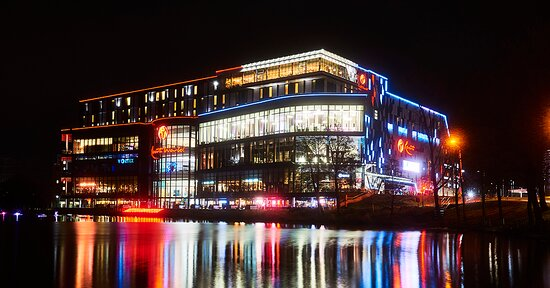
The most effective choice a visitor can make is selecting destinations and venues with verifiable green credentials. Look for official certifications like the Green Tourism Award or buildings constructed with sustainable design principles. A standout example is Resorts World Birmingham, which incorporates significant sustainable building design principles, including energy-efficient systems and a focus on sustainable sourcing. Supporting such establishments sends a powerful market signal and ensures your tourism spend contributes to positive outcomes.
Ethical Engagement: Wildlife Watching Tips
When exploring the natural areas around these destinations, always follow the ‘Leave No Trace’ ethic. Beyond this, responsible wildlife watching includes:
- Researching local species and habitats before your visit to understand their sensitivities.
- Using designated paths and viewing points to avoid disturbing animals or damaging fragile habitats.
- Keeping a respectful distance—use binoculars or a zoom lens for a closer look.
- Supporting local conservation charities or visitor centres, like the RSPB Ribble Discovery Centre, through donations or patronage.
The future of UK tourism lies in destinations that successfully blend leisure with a genuine, accountable commitment to their local environment. From the chalk grasslands of Newmarket to the marine reserves off Brighton, the opportunity exists for casino towns to become unlikely champions of conservation. By choosing eco-conscious resorts, respecting wildlife, and supporting businesses that fund local ecology, we can all ensure that these unique British landscapes continue to thrive for generations to come.